



Diwali – The Festival of Lights and Inner Awakening
Diwali, also known as Deepavali, is one of the most celebrated and awaited festivals in India. Every year, millions of homes are lit up with the warm glow of diyas (oil lamps), colorful rangolis, and sparkling fireworks. While most people associate Diwali with lights, sweets, and family gatherings, the festival holds a much deeper spiritual significance. At its core, Diwali is not only about external illumination but also about lighting the inner lamp of wisdom, defeating ignorance, and awakening to one’s true self.
The Mythological Roots of Diwali
Diwali is celebrated across India and the world, but its mythological stories differ region to region, each carrying profound lessons.
- Return of Lord Rama – In North India, Diwali marks the return of Lord Rama to Ayodhya after a 14-year exile, during which he defeated the demon king Ravana. The people of Ayodhya celebrated his return by lighting rows of diyas, symbolizing the victory of dharma (righteousness) over adharma (evil).
- The Story of Goddess Lakshmi – In many parts of India, Diwali is associated with Goddess Lakshmi, the goddess of wealth and prosperity. It is believed that she emerged during the Samudra Manthan (churning of the cosmic ocean), and thus people light lamps and pray for her blessings.
- Lord Krishna and Narakasura – In South India, the day before Diwali, known as Naraka Chaturdashi, celebrates Lord Krishna’s victory over the demon Narakasura, symbolizing the defeat of arrogance and darkness.
- Mahavira’s Nirvana – For Jains, Diwali is a day of deep spiritual significance as it marks Lord Mahavira’s attainment of Nirvana.
These diverse stories remind us that Diwali, in every tradition, symbolizes freedom, illumination, and truth.
The Five Days of Diwali
Diwali is not just a one-day festival but a five-day celebration, each day carrying its own rituals and symbolism.
- Dhanteras – The festival begins with Dhanteras, a day for buying gold, silver, and utensils, symbolizing prosperity and new beginnings. Homes are cleaned thoroughly to welcome divine energies.
- Naraka Chaturdashi (Chhoti Diwali) – This day signifies the destruction of negative forces. Traditionally, people take an oil bath early in the morning and light lamps to remove inner impurities.
- Main Diwali Day – The heart of the celebration. Families perform Lakshmi Puja, decorate their homes with lights, exchange sweets, and burst fireworks. Spiritually, it represents inviting divine energy and removing darkness from within.
- Govardhan Puja / Annakut – Celebrated mainly in North India, it commemorates Lord Krishna lifting the Govardhan mountain to protect villagers from torrential rains. It symbolizes gratitude to nature and divine protection.
- Bhai Dooj – Dedicated to the bond between brothers and sisters, it signifies love, protection, and family unity.
Rituals and Traditions
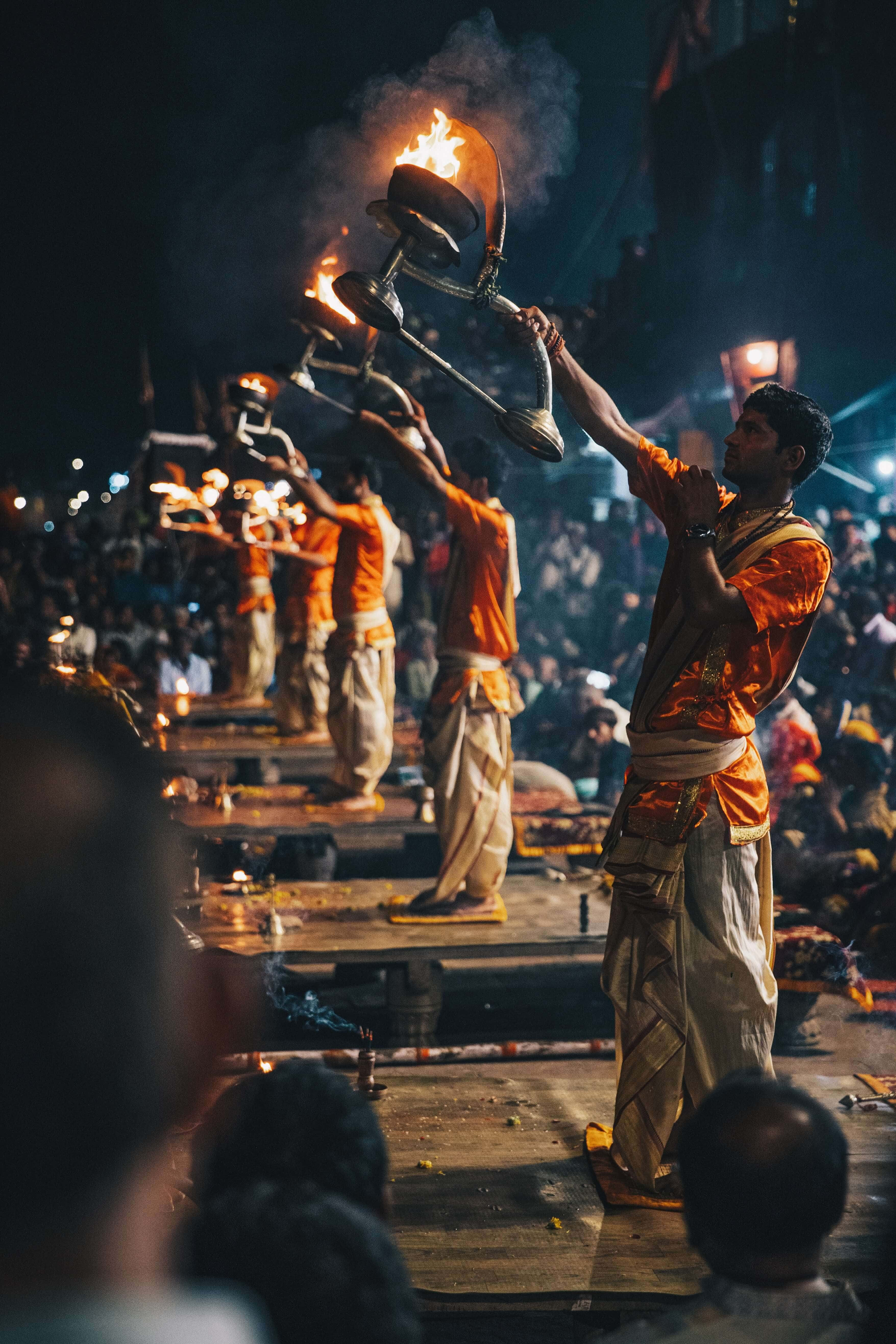
- Lighting Diyas – The most prominent tradition is lighting clay lamps, which not only beautify homes but symbolize spiritual awakening. The flame reminds us to rise above ignorance.
- Lakshmi Puja – Families pray for wealth, prosperity, and spiritual well-being. Clean homes and open doors symbolize welcoming divine blessings.
- Rangoli Designs – Colorful patterns made at the entrance represent positivity and joy.
- Sharing Sweets – Exchanging sweets fosters love, unity, and harmony in society.
- Fireworks – Although often criticized for pollution, traditionally fireworks were symbolic of burning away negativity.
Spiritual Meaning of Diwali
Diwali goes beyond rituals—it is a philosophy of life.
- Victory of Light over Darkness – Just as light removes physical darkness, inner wisdom removes ignorance.
- Self-Cleansing – Cleaning homes before Diwali is symbolic of cleaning the heart and mind from negative emotions like anger, greed, and jealousy.
- Inner Wealth – True wealth is not material riches but virtues like compassion, kindness, and wisdom. Lakshmi represents not only financial prosperity but also abundance of values.
- Silence and Reflection – Amidst the celebrations, many spiritual seekers observe meditation during Diwali to connect with their inner self.
Diwali in Modern Times
With globalization, Diwali is now celebrated in almost every corner of the world, from Times Square in New York to streets of Singapore and London. It has become not just a religious festival, but also a cultural identity of Indians worldwide.
However, modern celebrations also raise questions:
- The environmental impact of fireworks.
- The commercialization of the festival.
- Rising materialism overshadowing spirituality.
Many families now prefer eco-friendly Diwali, using earthen diyas instead of electric lights, making homemade sweets, and focusing on meditation and charity. This shift brings Diwali back to its true essence.
Diwali as a Time for Self-Transformation
Beyond lights and festivities, Diwali is an invitation to look inward.
- Are we allowing ignorance to control our lives?
- Are we lighting the lamp of awareness and compassion?
- Are we spreading positivity in our families and communities?
Just as diyas are lit in every corner of the home, we are reminded to light our inner lamp in every corner of the heart. When each individual shines with awareness, society as a whole becomes brighter.
Conclusion
Diwali is more than just a festival—it is a spiritual reminder. It tells us that no matter how dark the night, a single diya can dispel it. It urges us to rise above material distractions and awaken to our true nature.
As we light diyas, exchange sweets, and celebrate with loved ones, let us also remember to light the lamp within—removing ignorance, ego, and fear, and filling our lives with compassion, wisdom, and joy. That is the real Diwali spirit.
Book panditji for the diwali
Fill out the form below and we'll get back to you soon
Fill Your Details
Associated Poojas
Explore related spiritual services