



Dhanteras – The Auspicious Beginning of Diwali
Introduction
Dhanteras, also known as Dhanatrayodashi, marks the first day of the grand Diwali festival. The word "Dhanteras" comes from ‘Dhan’ meaning wealth, and ‘Teras’ meaning the thirteenth day of the lunar fortnight. Falling on the thirteenth day of Krishna Paksha in the month of Kartik (October–November), this day is considered one of the most auspicious for new beginnings, wealth, and prosperity.
Dhanteras – The Auspicious Beginning of Diwali
Introduction
Dhanteras, also known as Dhanatrayodashi, marks the first day of the grand Diwali festival. The word "Dhanteras" comes from ‘Dhan’ meaning wealth, and ‘Teras’ meaning the thirteenth day of the lunar fortnight. Falling on the thirteenth day of Krishna Paksha in the month of Kartik (October–November), this day is considered one of the most auspicious for new beginnings, wealth, and prosperity.
But beyond the rituals of buying gold, silver, and utensils, Dhanteras holds a profound spiritual and cultural meaning—reminding us to value not only material wealth but also the inner treasures of health, knowledge, and virtues.
Mythological Significance of Dhanteras
Several legends are associated with Dhanteras, each adding depth to its importance:
- The Emergence of Dhanvantari
According to the Samudra Manthan (churning of the cosmic ocean), Lord Dhanvantari, the divine physician and incarnation of Lord Vishnu, emerged from the ocean carrying the pot of Amrit (nectar of immortality) and the sacred Ayurvedic texts. Thus, Dhanteras is celebrated as National Ayurveda Day in modern India, symbolizing health as true wealth. - The Tale of King Hima’s Son
Another legend tells of a young prince whose horoscope predicted that he would die of a snakebite on the fourth day of his marriage. To save him, his wife lit numerous diyas, placed gold and silver ornaments at the entrance, and sang melodious songs to keep him awake all night. When Yama, the god of death, arrived in the form of a serpent, he was blinded by the brilliance of the lamps and ornaments and left without harming the prince. This is why lighting lamps on Dhanteras is considered protection against untimely death and misfortune. - Worship of Goddess Lakshmi and Lord Kubera
On Dhanteras, devotees worship Goddess Lakshmi, the goddess of wealth, and Lord Kubera, the treasurer of the gods, to invite prosperity and abundance into their lives.
Rituals and Traditions of Dhanteras
- Buying Precious Metals
The most popular custom is buying gold, silver, or new utensils on Dhanteras. It is believed that bringing home something new on this day invites blessings of Goddess Lakshmi. Even a small purchase of steel or brass items is considered auspicious. - Lakshmi and Dhanvantari Puja
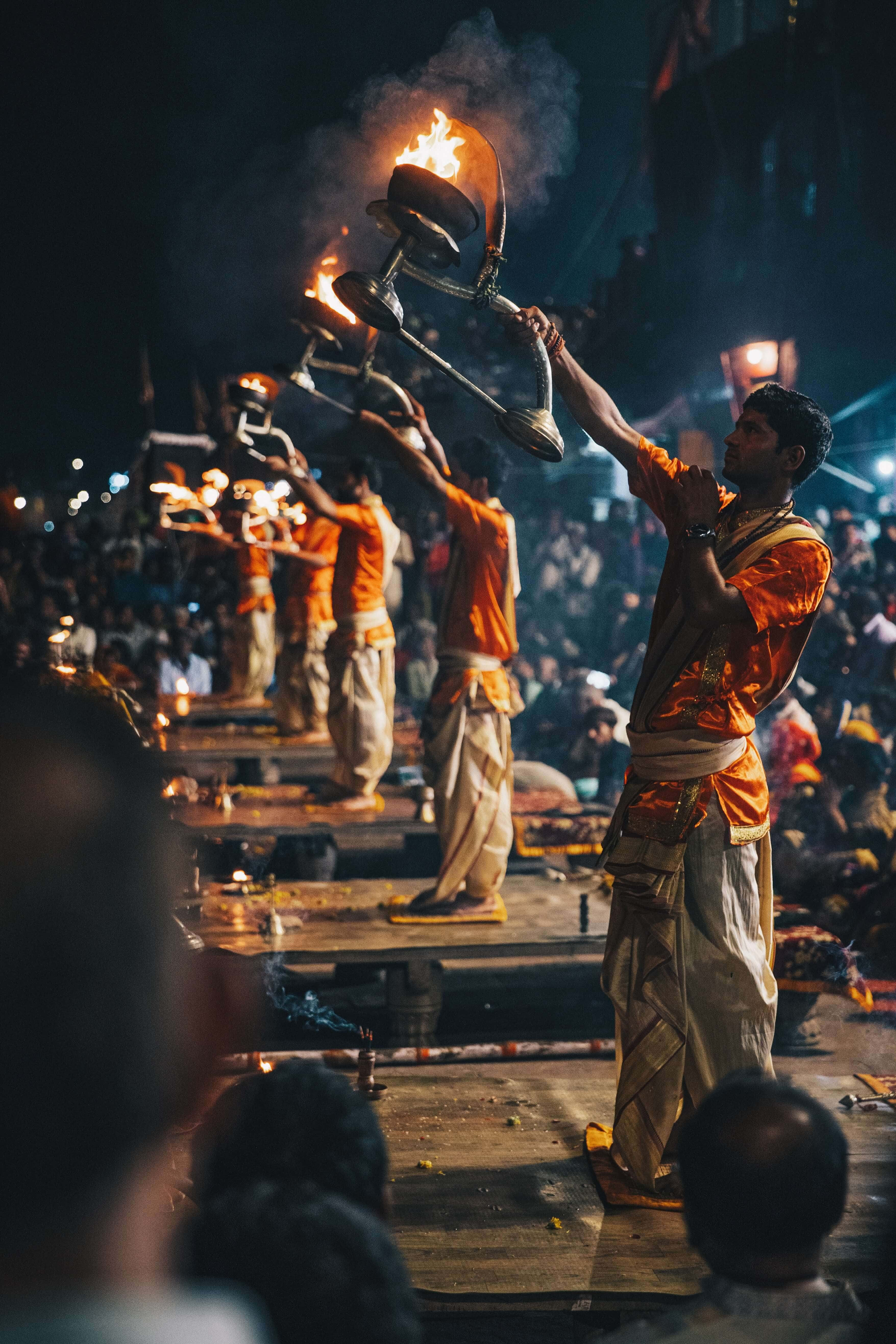
Families perform special Lakshmi Puja in the evening. Devotees place diyas at the entrance and inside the home, welcoming the goddess of prosperity. Alongside Lakshmi, people also worship Lord Dhanvantari for health and longevity. - Lighting of Lamps (Yamadeepdaan)
A special tradition called Yamadeepdaan is observed, where lamps are lit outside the home in honor of Lord Yama, the god of death, to ward off premature death and invite protection. - Cleaning and Decorating the Home
Homes are cleaned thoroughly before Dhanteras. The belief is that Goddess Lakshmi enters only clean, bright homes. Rangolis are drawn at the entrance to welcome divine energies. - Charity and Helping the Needy
Many people also donate food, clothing, or money on this day, as sharing wealth is considered the purest form of prosperity.
The Deeper Spiritual Meaning of Dhanteras
While most associate Dhanteras with buying gold and wealth, the spiritual essence runs deeper:
- Wealth as Responsibility – True wealth is not just accumulation but wise use of resources for the welfare of others.
- Health as Wealth – Lord Dhanvantari’s emergence reminds us that without good health, material riches hold no value. Thus, Ayurveda and holistic living are celebrated on this day.
- Inner Light – The lighting of lamps signifies not only protection from misfortune but also the illumination of the soul. By lighting diyas, we symbolically dispel ignorance and fear.
- Gratitude – Buying something new or worshiping deities on Dhanteras is essentially an act of gratitude for abundance already present in our lives.
Dhanteras in Modern Times
Today, Dhanteras has also become a major shopping festival in India. From jewelry stores to online platforms, businesses launch massive discounts and offers. While this has led to a rise in consumerism, many families are now shifting towards eco-conscious celebrations.
Instead of excessive buying, people are:
- Planting trees or gifting plants as symbols of wealth.
- Supporting local artisans by buying handmade diyas and utensils.
- Focusing on health by investing in organic food or wellness products.
Some spiritual seekers also treat Dhanteras as a day of introspection—asking themselves:
- Am I wealthy in terms of compassion and knowledge?
- Do I use my wealth for selfish purposes or for the greater good?
- How can I achieve balance between material and spiritual life?
The Ayurveda Connection
Since Dhanvantari is worshiped on Dhanteras, this day has become a celebration of Ayurveda, holistic health, and balanced living. Practices like:
- Eating seasonal foods,
- Doing oil massages,
- Practicing yoga and meditation,
- Drinking herbal decoctions,
are all aligned with the spirit of Dhanteras. It reminds us that health is the foundation of prosperity.
Family and Social Significance
Dhanteras is also a time when families come together, just like the rest of Diwali. Cleaning the home together, decorating with rangoli, and shopping as a family creates a sense of bonding. Communities light rows of diyas in public spaces, symbolizing collective positivity and shared joy.
In villages, farmers worship their cattle and tools, considering them their true wealth. Traders begin new accounting books (Chopda Pujan), praying for a prosperous financial year ahead.
Lessons from Dhanteras
- True wealth lies in values, not possessions.
- Health is the greatest fortune.
- Sharing multiplies abundance.
- Every purchase should remind us of gratitude, not greed.
- Light within is more valuable than gold outside.
Conclusion
Dhanteras is not merely about shopping or material gains—it is a festival that teaches us the right relationship with wealth and health. By honoring Goddess Lakshmi, Lord Kubera, and Lord Dhanvantari, we acknowledge the three pillars of prosperity: abundance, wisdom, and well-being.
As diyas glow on Dhanteras night, let us remember to kindle not only our homes but also our hearts. When wealth is guided by wisdom, when health is valued above riches, and when generosity replaces greed, Dhanteras becomes a true celebration of life’s treasures.
Book panditji for the dhanteras
Fill out the form below and we'll get back to you soon
Fill Your Details
Associated Poojas
Explore related spiritual services