
Chennai / Telugu / Pooja Services /
Satyanarayan PujaSatyanarayan Puja
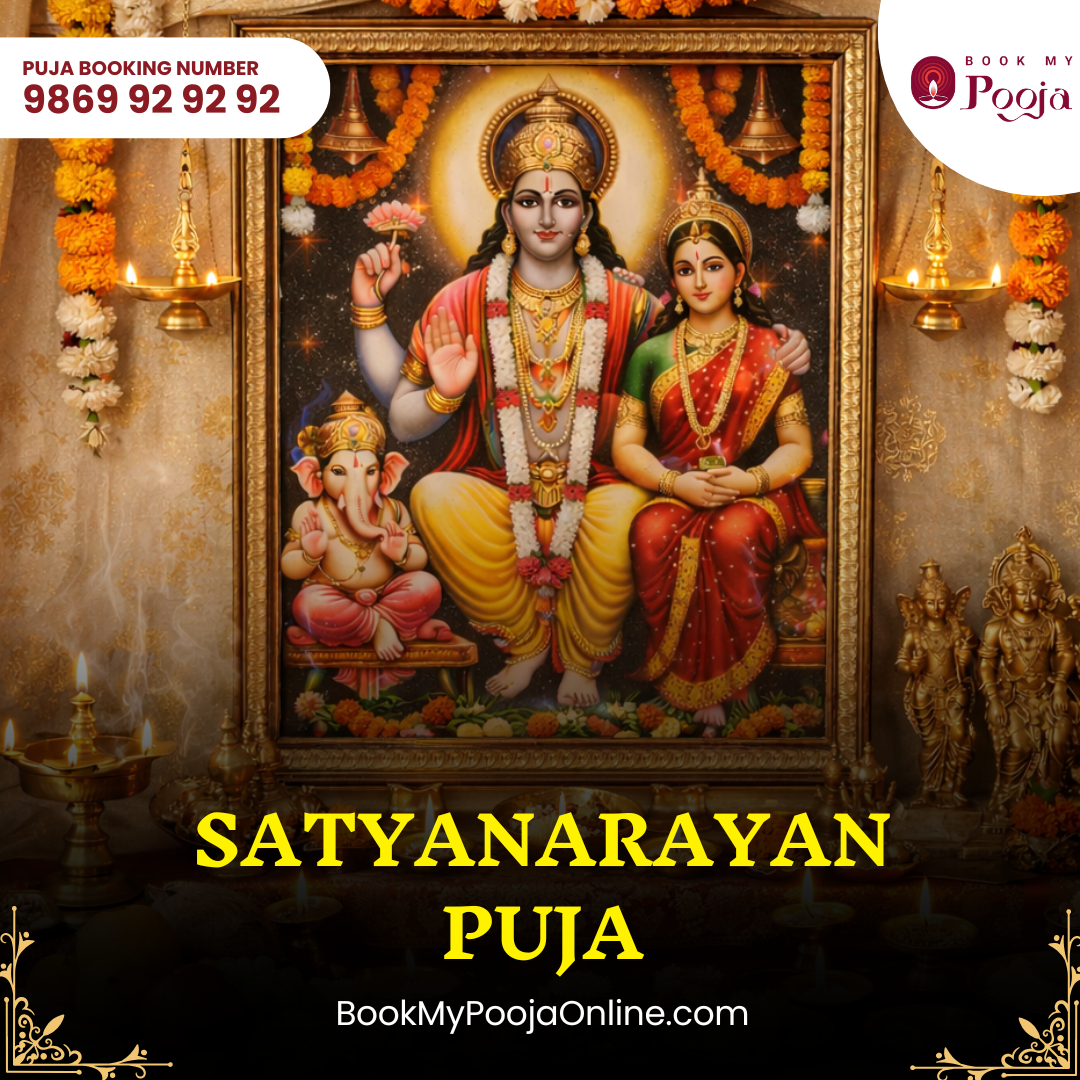
Satyanarayana Pooja is performed for Lord Satyanarayana to removes all the obstacles and negative energies. It will help a person to get victory or success, acquire wealth and prosperity. It brings harmony to family and success in life.
Pooja Packages


Pandit ji dakshina

All Puja Items
Pandit Ji Travel Charges
More mantra chantings

Homa Kunda
All Homa Items
Fruits
Flowers
Number Of Days
Number Of Pandits

Pandit ji dakshina
All Puja Items
Pandit Ji Travel Charges
More mantra chantings
Homa Kunda
All Homa Items
Fruits
Flowers
Number Of Days
Number Of Pandits
Pandit ji dakshina
All Puja Items
Pandit Ji Travel Charges
More mantra chantings
Homa Kunda
All Homa Items
Fruits
Flowers
Number Of Days
Number Of Pandits
Looking for a custom package? Click here to tailor your perfect pooja experience!
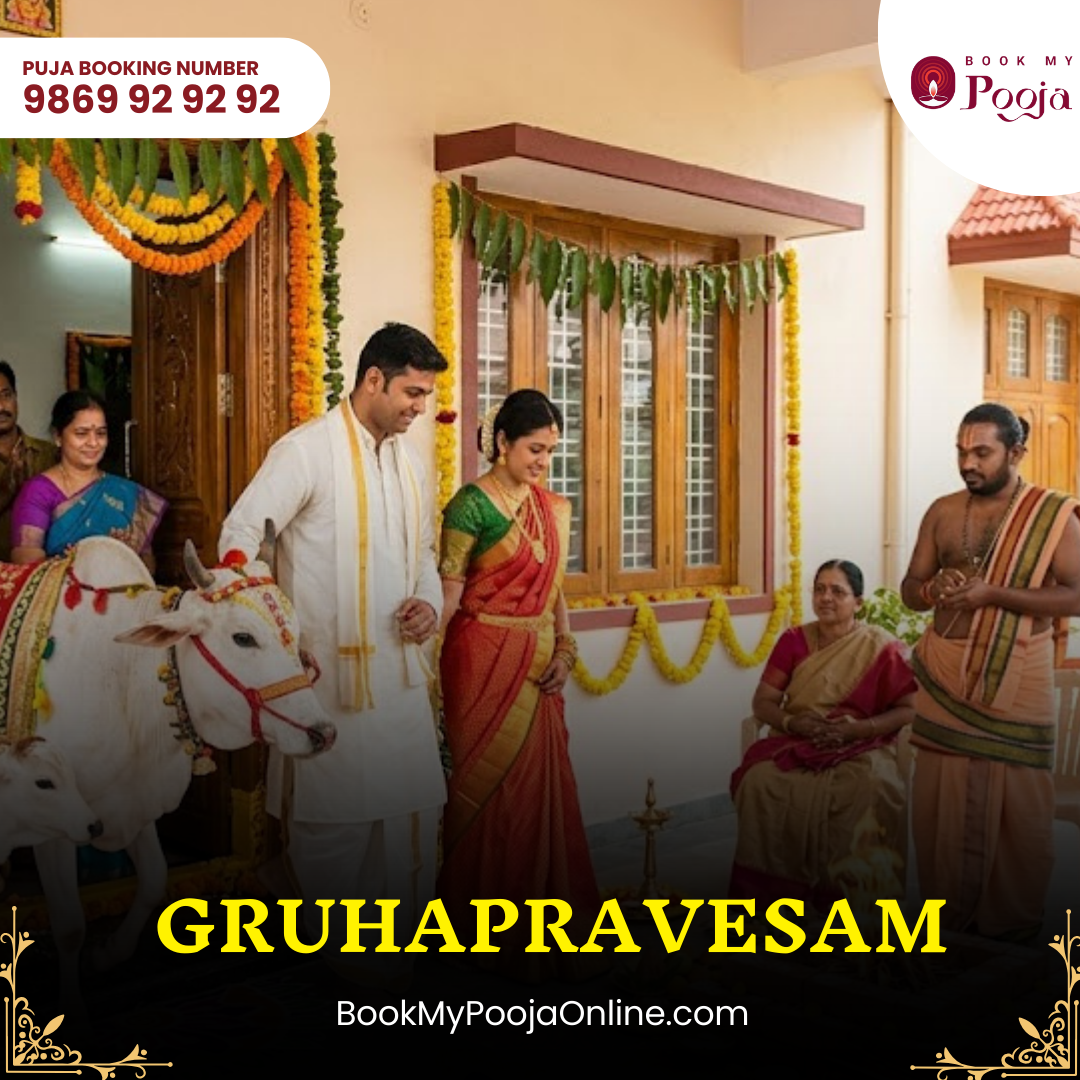
Also this Griha Pravesh
Book Griha Pravesh puja →

Our Promise

Experienced Pandits

Vedic Standards & Procedures

100% Puja Benefits

High Quality Samagri

Professional Guidance and Support
Guaranteed Punctuality
Significance of Satyanarayana Swamy Pooja
In Telugu households, Satyanarayana Swamy Pooja is considered one of the most powerful and auspicious rituals to invoke Lord Vishnu’s blessings. The word Satyanarayana is derived from three words:
- Satya – Truth
- Nara – Human
- Aayana – The place where truth resides
This pooja and katha (divine story) emphasize that truthfulness, devotion, and surrender to God lead to a peaceful and prosperous life. Telugu families commonly perform this pooja on Poornima (Full Moon), Ekadashi, or special family occasions like Gruhapravesham (Housewarming), Aksharabhyasam (First Writing Ceremony), Weddings, and Anniversaries. It is believed that performing this pooja with full devotion removes obstacles, ensures financial stability, and blesses devotees with happiness and success.
How is Satyanarayana Swamy Pooja Performed in Telugu Tradition?
The pooja vidhanam (procedure) follows authentic Vedic and Telugu customs, including:
- Ganapathi Pooja – The ritual begins with the worship of Lord Ganesha, who removes obstacles and ensures the successful completion of the pooja.
- Kalasha Sthapana – A sacred Kalasham (water pot) is placed, adorned with mango leaves and a coconut, symbolizing divine energy.
- Invocation of Satyanarayana Swamy – The Vedic priests chant powerful mantras to invoke Lord Vishnu’s presence.
- Satyanarayana Katha Parayanam – The sacred story of Satyanarayana Swamy is recited in Telugu households, explaining how devotion to the Lord helps overcome struggles and brings success.
- Naivedyam Offering – Prasadam is prepared and offered to Lord Vishnu, followed by Aarti and Prayers.
- Maha Mangala Harathi – The pooja concludes with Mangala Harathi, seeking divine blessings for the entire family.
Special Prasadam (Naivedyam) in Telugu Culture:
- Sooji Halwa (Kesari Bath) or Rava Kesari – The most commonly prepared prasad for Satyanarayana Swamy.
- Panchamrutham (mixture of milk, curd, honey, ghee, and sugar) – Used for abhishekam and offered as prasad.
- Pulihora (Tamarind Rice) – Sometimes offered as an additional naivedyam.
When Should Satyanarayana Swamy Pooja Be Performed?
Auspicious Days for Performing the Pooja as per Telugu Panchangam:
- Poornima (Full Moon Day) – Most auspicious day for this pooja.
- Ekadashi – The 11th day of the lunar cycle, considered highly beneficial.
- Saturdays – Dedicated to Lord Vishnu, best for seeking blessings.
- On Special Occasions – Housewarming (Gruhapravesham), Marriage, Anniversaries, Business Openings, and Before Important Life Events.
The pooja should be scheduled based on the Janma Nakshatram (birth star) of the householder or family head for maximum spiritual benefits.
Benefits of Performing Satyanarayana Swamy Pooja
- Ensures good health, wealth, and family well-being.
- Removes past karmic obstacles and ensures a smooth life journey.
- Grants success in career, business, and personal growth.
- Brings harmony and positivity in family relationships.
- Enhances faith, truthfulness, and devotion.
- Provides peace of mind and spiritual upliftment.
Special Telugu Cultural Aspects in Satyanarayana Swamy Pooja
- Performing the pooja as a family ritual – In Telugu households, this is a family-oriented pooja, where all members actively participate in the Satyanarayana Katha and distribution of prasad.
- Use of fresh mango leaves and banana leaves – The pooja setup includes Kalasha decorated with mango leaves, and banana leaves are used to serve prasad and Naivedyam.
- Tulasi Archana – In Telugu tradition, offering Tulasi leaves (Basil) to Lord Vishnu is mandatory, as it is considered highly auspicious.
- Fasting and Vratam – Many devotees observe a partial fast on this day, consuming only Satvik food until the completion of the pooja.
- Ritualistic Recitation in Telugu – The Satyanarayana Katha is traditionally recited in Telugu, making it easy for family members to understand and participate.
- Auspicious Sounds and Bhajans – Nadaswaram music, Conch blowing (Shankham), and Harathi chants add to the divine atmosphere of the pooja.
Book a Telugu Vedic Pandit for Satyanarayana Swamy Pooja
Make your Satyanarayana Swamy Pooja a divine and fulfilling experience by booking an expert Telugu-speaking Vedic Pandit through BookMyPooja. Our highly experienced Pandits conduct the authentic Telugu traditions following Vedic and Agama Shastra guidelines.
Choose a package that suits your budget and get a complete pooja service with BookMyPooja!